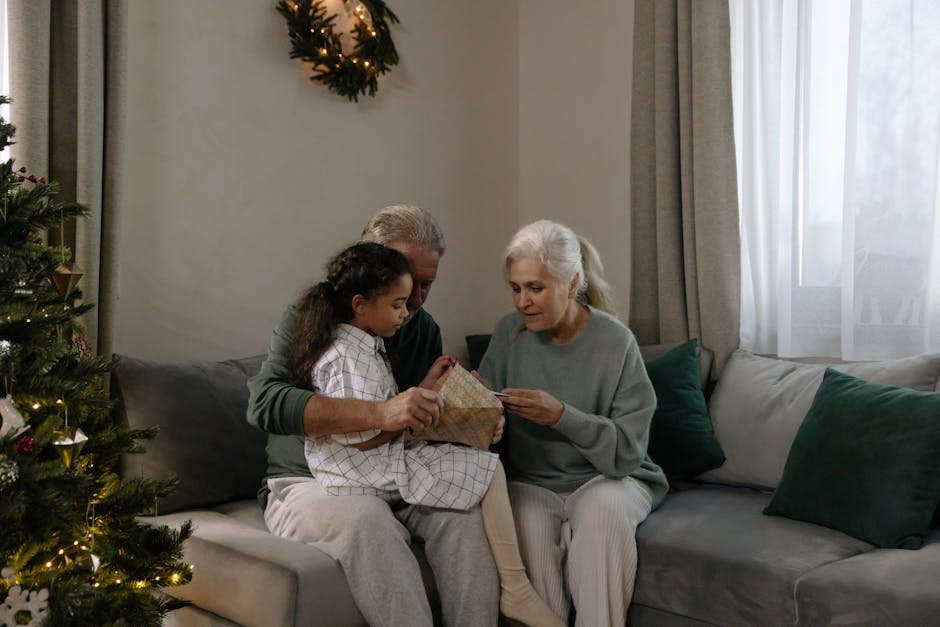
How to Celebrate Holidays with a Parent in Memory Care
The first holiday after a parent moves to memory care is often hard in ways families do not anticipate. The expectations carried from decades of tradition collide with a reality that looks nothing like it used to. Here is how to build something genuinely good rather than a diminished version of what was.
Quick answers
- Match the celebration to your parent's current cognitive level, not the traditions they used to lead
- Shorter, calmer visits work better than long gatherings that overwhelm
- Sensory elements , music, familiar food smells, textures , reach people with dementia when conversation does not
- Check with the facility about visiting policies and any holiday programming they already have
- Let go of the idea that this has to look like it used to , something new and right beats something old and wrong
Why Holidays Are Hard in Memory Care
Holidays carry accumulated meaning , the same foods, the same rituals, the same family dynamics repeated over decades. For a parent with dementia, that accumulated meaning is increasingly inaccessible. They may not recognize that it is a holiday. They may not recognize everyone who comes to visit. They may become overstimulated and distressed by a large family gathering in a way they never were before.
The dissonance between what the holiday was and what it is now is one of the most painful parts of this stage of caregiving. Navigating it well means being honest about that dissonance rather than trying to recreate something that no longer fits.
What Works: Sensory Connection Over Cognitive Demands
Dementia affects explicit memory and cognitive processing first. What is often preserved much longer: emotional memory, sensory response, musical memory, and procedural memory.
This means the approach that works best for holidays is one built around sensory experience rather than cognitive participation. Your parent may not be able to follow the conversation at a family dinner. They can smell the pie. They can hear the music they have known since childhood. They can feel the familiar texture of a favorite blanket. They can hold a grandchild's hand.
Build the visit around what their brain can still access, not what it can no longer reliably reach.
Practical Approaches
Keep the group small
One or two familiar visitors is usually better than a large family gathering. Large groups are overstimulating, and your parent may not recognize everyone, which creates distress. If the whole family wants to visit, stagger the visits rather than arriving all at once.
Bring the sensory elements of the holiday
Familiar holiday music from your parent's era. The smell of a food they always made or loved. A small familiar decoration from home. These sensory anchors can produce emotional responses and moments of recognition that conversation alone may not.
Keep it shorter than you think
A 45-minute to 90-minute visit that ends well is better than a three-hour visit that ends in agitation. Watch your parent's energy and cues. Leave before they are overwhelmed.
Bring the food, not just a visit
A piece of their favorite pie, a cookie from a recipe they made for years, a dish from a family tradition. Taste and smell are powerful memory triggers. Sharing food is also a normal human ritual that requires no particular cognitive capacity to participate in.
Look at old photos together
A photo album from earlier holidays can spark genuine connection. You do not need your parent to remember specifics , the warmth of the image, familiar faces, a response to a beautiful moment is meaningful even without full recall.
What to Let Go Of
Let go of the idea that your parent needs to understand it is a holiday for the visit to matter. What they experience in the moment , warmth, familiar music, a loving presence, the taste of something they love , is real and meaningful even without the cognitive context that surrounds it.
Let go of performing normalcy for each other. It is okay to acknowledge that this is hard. It is okay for the visit to be quiet and simple. You do not have to pretend the holiday is what it was.
Let go of guilt if the visit is short. A focused, calm 45 minutes of genuine presence is worth more than a long, exhausting visit that ends badly for everyone.
Coordinating with the Facility
Most memory care facilities have holiday programming , activities, decorations, music, special meals. Find out what is planned and consider timing your visit to coincide with something your parent might enjoy.
Ask whether the facility has a family gathering space you can reserve if you want to bring a small group. Ask about any visiting guidelines specific to holiday periods. Some facilities limit visitor numbers or have specific protocols to protect residents.
Step 1 of 2
How big is the home?
Step 2 of 2
What kind of help is needed?
Estimated Cost
Compare listed Senior Move Managers →Frequently Asked Questions
Should I take my parent out of memory care for holiday gatherings?
It depends on your parent's cognitive level and how they handle transitions. For some people with early-stage dementia, an outing to a family home can be meaningful. For those with moderate to advanced dementia, the unfamiliar environment and large gatherings often cause significant distress. Consult with the care team before planning an outing.
My parent doesn't recognize it's a holiday. Is it still worth celebrating?
Yes. The emotional and sensory experience of the visit is real and positive even without explicit holiday awareness. Research on dementia consistently shows that positive emotional states persist after the specific trigger is forgotten.
How do I explain to my children why grandma or grandpa is different at holidays?
Use honest, age-appropriate language: 'Grandma's brain is sick and it makes it hard for her to remember things. She still feels love even when she can't always show it the same way.' Children handle this better than most adults expect when they are given honest explanations.
What if my parent becomes upset or agitated during the visit?
Remain calm, lower your voice, and redirect. Move to a quieter space. Try music, a familiar object, or simply sitting quietly together. If agitation does not resolve, it is okay to end the visit. Let staff know what happened so they can support your parent after you leave.
Sources
- Alzheimer's Association - Holiday visits and celebrations with a person with dementia
- Family Caregiver Alliance - Managing holiday expectations and visits with a parent in memory care
- National Institute on Aging - Caregiver guidance for dementia and maintaining meaningful connection
What is a Senior Move Manager? A Senior Move Manager is a trained specialist who helps older adults and their families navigate moves, downsizing, and care transitions. They handle the logistics so you don't have to.
An SMM helps families manage the physical transition so that by the time the holidays arrive, your parent's space is set up to feel familiar and comfortable.
✓ 556 listed Senior Move Managers · ✓ Coverage in 46 states and DC