How to Get Power of Attorney in California for an Aging Parent
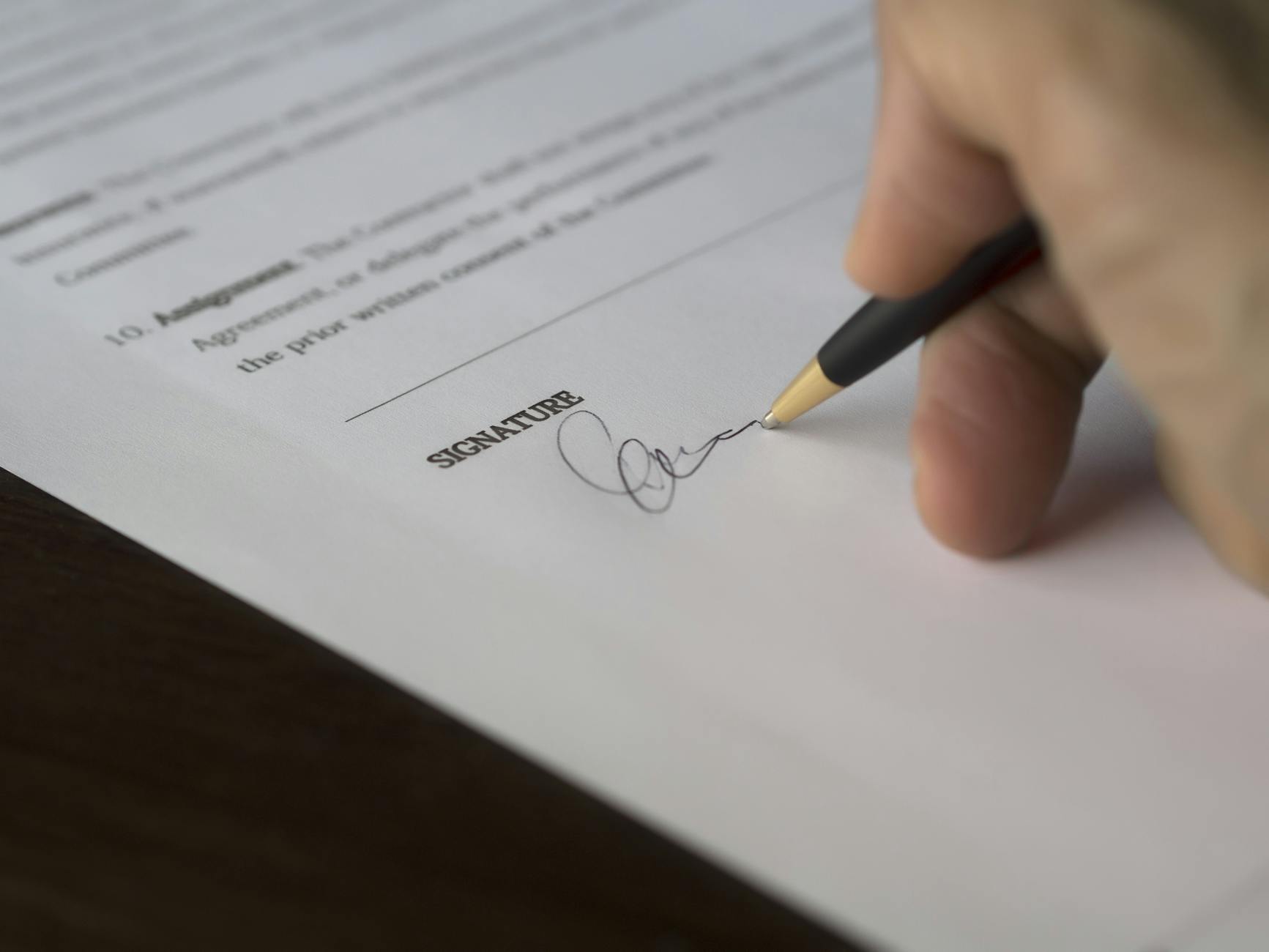
Setting up power of attorney in California takes about one to three hours if you know what you're doing. The process involves choosing the right type of POA, filling out the California Statutory Form (Probate Code §4401), signing it in front of two witnesses or a notary, and distributing copies to the right people. Most families can handle this without an attorney, though for complex estates, a one-hour legal review is worth the cost.
Quick answers
- California recognizes durable financial POA, limited POA, and healthcare POA (Advance Health Care Directive) as separate documents
- Use the California Statutory Form Power of Attorney (Probate Code §4401) for financial decisions; it's free to download
- The form must be signed in front of two qualified witnesses OR a notary public , both are required if your parent is in a skilled nursing facility
- A 'durable' POA stays valid even if your parent becomes incapacitated; without the durable language, it ends automatically when capacity is lost
- A POA becomes void the moment the principal dies; at that point, only the estate executor has authority
Which Type of POA Does Your Parent Need?
California recognizes several types, and choosing the wrong one is a common mistake. For most families dealing with a parent's finances, a durable financial power of attorney is the right choice. It lets the agent pay bills, manage bank accounts, sell property, file taxes, and handle government benefits.
A healthcare POA, called an Advance Health Care Directive in California, handles medical decisions. It's a completely separate document. Your parent likely needs both.
A limited (or 'special') POA covers one specific transaction, like selling a car or signing a particular real estate deal. These come up occasionally in elder care but aren't typically the primary tool.
Who Can Serve as Agent?
Any adult can serve as your parent's agent. Most families name an adult child, but the agent can be a sibling, a trusted friend, or an attorney. You can name a co-agent (two people who must act jointly) or a successor agent who steps in if the first choice can't serve.
California law bars certain people from serving as witnesses to the signing: the agent named in the document, anyone related to the principal by blood or marriage, anyone who stands to inherit from the principal, and anyone financially responsible for the principal's care. The agent themselves can be named and can sign the form, but they cannot be one of the two witnesses.
Which Form Should You Use?
The California Statutory Form Power of Attorney (Probate Code §4401) is the standard. Banks and financial institutions across California recognize it, and it's free to download from the California Courts website (courts.ca.gov) or the State Bar of California (calbar.ca.gov).
The form works as a checklist. Your parent initials each category of powers they want to grant: real estate, banking, investments, business operations, taxes, retirement accounts, and more. Powers not initialed are not granted.
Custom POA documents drafted by an attorney are also valid. Some banks occasionally prefer their own internal forms in addition to the POA, so call ahead before showing up to act as agent.
How to Create a Valid California POA
Fill out the statutory form
Enter the principal's full legal name, the agent's full name, and any successor agent. The principal should initial each category of powers they want to grant. Leave any category blank that they do not want to authorize.
Choose witnesses or a notary
California requires one of two options: a notary public witnesses the signature, or two qualified adult witnesses do. For most situations, notarization is easier to arrange and harder for banks to dispute. If your parent lives in a skilled nursing facility, both a notary AND two witnesses are required by law.
Sign while your parent still has capacity
The principal must sign while mentally competent. If your parent's cognitive state is in question, ask the notary to document their observations, or get a brief written note from the primary care physician first. A POA signed by someone who lacked capacity can be challenged or voided.
Distribute copies strategically
The agent keeps a copy. Give copies to any bank, brokerage, or financial institution you'll work with. If the POA grants real estate powers and a property transaction is planned, record a certified copy with the county recorder's office where the property is located. Keep the original in a secure place.
When Does It Take Effect?
A durable POA takes effect the moment it's signed, unless the document states otherwise. If your parent wants it to activate only when they become incapacitated, that's called a springing POA, and the triggering conditions must be written into the document (usually a determination by one or two physicians).
Most elder law attorneys recommend immediate durable POA over springing. Springing POAs create delays and paperwork at exactly the moment speed matters most. The process of proving incapacity can freeze access to accounts for weeks.
The POA ends automatically when the principal dies. At that point, only the executor of the estate can act, and only within the scope of the will and California probate law.
Do Not Wait Until Capacity Is in Question
A parent who has lost mental capacity can no longer sign a valid power of attorney. If that has already happened, the family must go to court to establish a conservatorship, which typically takes 3 to 6 months and costs $3,000 to $10,000 or more in legal fees. Acting while your parent still has capacity avoids this entirely.
Will Banks Accept It?
Usually, but not without friction. Banks are cautious about POA documents, and some routinely ask for documents to be under a certain age or request their own internal forms.
California Probate Code §4303 requires financial institutions to accept a valid POA. If a bank refuses, the agent can provide a written certification of authority under Probate Code §4307. Bring a printed copy of §4303 if a teller gives you trouble. For ongoing refusals, the California Department of Financial Protection and Innovation handles complaints.
To reduce problems upfront: use the California Statutory Form (not a generic online template), have it notarized, and call the bank ahead of time to ask what they need before you arrive.
Do You Need an Attorney?
Not legally. California doesn't require attorney involvement to create a valid POA. Many families use the statutory form without professional help and it works fine.
That said, if your parent has significant assets, property in another state, an active business, or a complicated family situation, a one-hour review with an elder law attorney costs $200 to $500 and can prevent problems that cost far more to fix later. An attorney can also catch ambiguous language that banks use as an excuse to reject the document.
Step 1 of 2
How big is the home?
Step 2 of 2
What kind of help is needed?
Estimated Cost
Compare listed Senior Move Managers →Frequently Asked Questions
Can I get power of attorney for a parent with dementia in California?
Only if they still have legal capacity. California requires the principal to understand what they're signing at the time of signing. If dementia has progressed to the point where your parent cannot understand the document's purpose and effect, POA is no longer an option. You'll need to petition the court for conservatorship instead.
Does California require POA documents to be filed anywhere?
No. California has no state registry for POA documents. The exception: if the POA grants real estate powers and you intend to use it for a property transaction, you must record a certified copy with the county recorder's office where the property is located before the transaction.
How long does a California POA last?
A durable POA lasts indefinitely until the principal revokes it, a court invalidates it, or the principal dies. There's no statutory expiration date. Some banks have internal policies preferring documents under a certain age, but that is bank policy, not California law.
Can a California POA be used in other states?
Generally yes. Most states recognize validly executed POAs from other states under their own laws or the Uniform Power of Attorney Act. However, if the POA involves real estate in another state, verify it meets that state's requirements, and consider recording it in the applicable county. An attorney in the relevant state can confirm.
What is a Senior Move Manager? A Senior Move Manager is a trained specialist who helps older adults and their families navigate moves, downsizing, and care transitions. They handle the logistics so you don't have to.
Senior Move Guide's directory covers listed Senior Move Managers for hands-on moving and downsizing help. For legal, care, housing, real estate, or estate advice, contact the appropriately licensed or specialized professional separately.
✓ 556 listed Senior Move Managers · ✓ Coverage in 46 states and DC