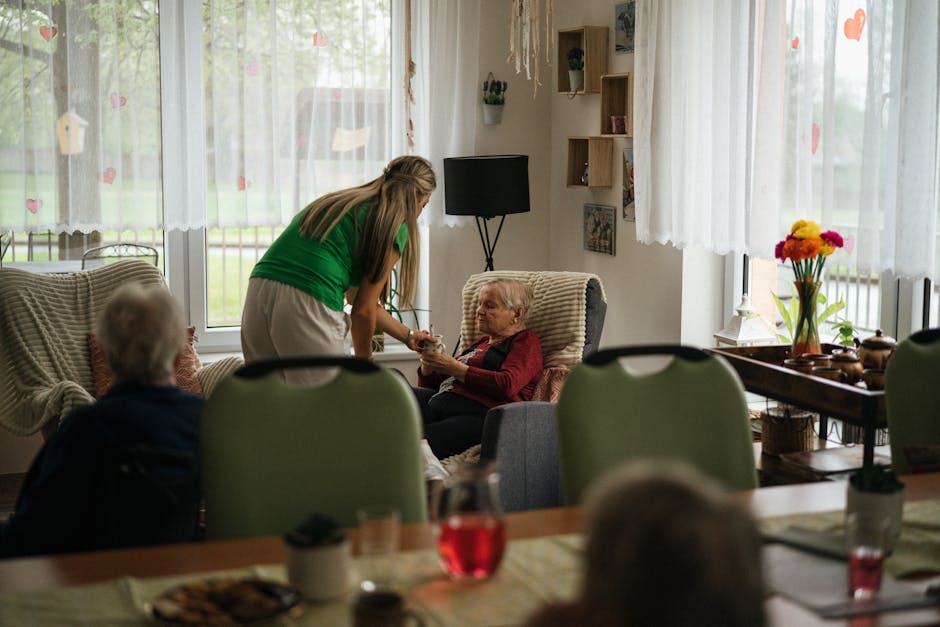
How to Help a Parent with Dementia Accept Home Care
Your parent with dementia needs help at home, but refuses to let anyone in. They insist they are fine. They do not want strangers in their house. They may become agitated or hostile when a care aide arrives. This is one of the most common friction points in dementia caregiving , and it is solvable with the right approach.
Quick answers
- Do not frame the aide as a caregiver , frame them as a helper, a companion, or a friend of yours
- Introduce the aide gradually and consistently , the same person, same time, building familiarity
- Your parent's resistance is often about fear of strangers and loss of control, not care itself
- Short initial visits focused on companionship rather than personal care ease the transition
- If resistance is severe or involves aggression, consult the care team about a clinical approach
Why People with Dementia Resist Home Care
Resistance to home care aides is nearly universal in early to mid-stage dementia and stems from a few overlapping causes.
Lack of insight. Many people with dementia genuinely do not believe they need help. Their self-awareness of their own limitations is impaired , it is part of the disease. To them, there is no reason a stranger should be in their home because they do not see the need.
Fear of strangers. Unfamiliar faces in a person's home are threatening, and that threat response is amplified when the person cannot reliably form new memories to make the stranger familiar.
Loss of control. For many older adults, their home is the last domain where they have control. The arrival of a care aide represents an intrusion on that control. The resistance is a defense of the last territory that feels like theirs.
The Framing That Works
Do not introduce the aide as a caregiver, a health aide, or help. These framings confirm the loss-of-control story and will be rejected.
Instead: 'I asked my friend Sarah to come spend some time with you while I'm at work.' Or: 'This is Maria , she's going to help me out around the house.' Or: 'I thought you might enjoy some company today.' The aide is a friend, a helper for the house, a companion , not a medical intervention.
This is not deception. It is communication adapted to your parent's current cognitive reality. The emotional truth , someone is here to be present and supportive , is accurate even if the framing is simplified.
Building Familiarity Gradually
Start with the same aide, every visit
Consistency is essential. A rotating roster of different aides never becomes familiar. One person, same time, same days, builds the recognition that makes acceptance possible over weeks.
Be present for the first several visits
Your presence while the aide is there significantly reduces your parent's resistance. You are vouching for this person with your presence. Over several visits, gradually decrease the overlap time until the aide is there independently.
Start with companionship, not personal care
The first visits should not involve bathing, dressing, or other intimate care tasks. Sitting together, a shared activity, a cup of tea. Once the aide is familiar and trusted, personal care can be introduced gradually.
Brief the aide thoroughly on your parent
What your parent likes to talk about, what their interests were, what calms them. An aide who can engage your parent as a person , not just as a care recipient , builds rapport faster and encounters less resistance.
When Resistance Includes Aggression
Some people with dementia become physically resistant or aggressive when a care aide attempts to provide personal care. This is a clinical behavior that requires clinical support.
Raise it with your parent's physician and care team. Behavioral interventions, timing adjustments (morning care vs. evening), environmental changes, and in some cases medication review can reduce aggression during care. An occupational therapist specializing in dementia can also assess and make recommendations.
Do not ask aides to manage aggressive behavior without support. This is not safe for them or your parent.
Step 1 of 2
How big is the home?
Step 2 of 2
What kind of help is needed?
Estimated Cost
Compare listed Senior Move Managers →Frequently Asked Questions
What if my parent fires every aide we hire?
Try changing the framing before changing the aide. If the framing is right and the pattern continues, it may be a sign that the level of care needed has exceeded what home care can provide and a memory care environment should be considered.
Should I tell my parent the aide is there to help them?
Not initially. A softer framing , companion, friend, someone helping around the house , is more likely to be accepted. Once the aide is familiar and trusted, your parent may accept their role more naturally.
How long does it take for a parent with dementia to accept a home care aide?
With consistent presence of the same aide, most people with mild to moderate dementia begin to show meaningful acceptance within 3 to 6 weeks. Some take longer. The key variable is consistency , a different aide each week resets the familiarity clock.
What kind of agency is best for a parent with dementia?
Look for agencies that specifically train aides in dementia care, assign consistent caregivers rather than rotating staff, and have a care manager who can adapt the care plan as needs change. Ask specifically about their dementia care approach and staff turnover rates.
Sources
- Alzheimer's Association - Managing resistance to personal care in dementia , strategies and approaches
- Family Caregiver Alliance - Hiring and managing home care for a parent with dementia
- National Institute on Aging - Behavioral changes in Alzheimer's and how caregivers can respond
What is a Senior Move Manager? A Senior Move Manager is a trained specialist who helps older adults and their families navigate moves, downsizing, and care transitions. They handle the logistics so you don't have to.
An SMM can help assess a parent's home care situation and connect families with vetted agencies that specialize in dementia care.
✓ 556 listed Senior Move Managers · ✓ Coverage in 46 states and DC