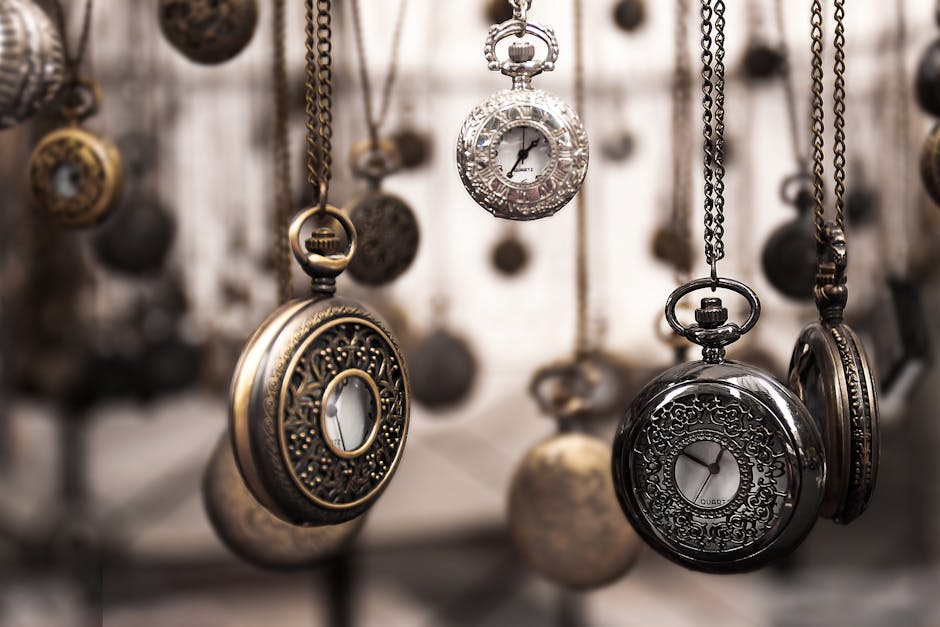
How to Sell Valuable Watches and Jewelry from an Estate
A drawer full of jewelry. A watch collection. Pieces your parent wore for decades. Selling estate jewelry is one of the more personal parts of settling a parent's belongings, and also one where families routinely leave significant money on the table. Here is how to do it right.
Quick answers
- Get an independent appraisal before selling anything of potential value
- Auction houses are best for high-value pieces; estate jewelers for mid-range
- Avoid pawn shops for anything with real value
- Online platforms like Worthy or Chrono24 can fetch higher prices for watches
- Sentimental and monetary value are different things , know which is which before selling
Before You Sell: Get It Appraised
The single most important step before selling any jewelry or watches from an estate is an independent appraisal from a certified professional. Without it, you have no baseline and no leverage.
Look for a gemologist certified by the Gemological Institute of America (GIA) or an appraiser accredited by the American Society of Jewelry Appraisers (ASJA). Expect to pay $50 to $150 per item for a written appraisal. It is money well spent.
For watches, brand matters enormously. A Rolex, Patek Philippe, or Omega can be worth thousands. A fashion watch from a department store may be worth almost nothing on the secondary market. A certified watchmaker or watch specialist can give you a realistic resale valuation.
Where to Sell Based on Value
High-value pieces: auction houses
For jewelry or watches worth $2,000 or more, consider major auction houses like Christie's, Sotheby's, Bonhams, or regional houses like Skinner or Heritage Auctions. They reach serious buyers and achieve competitive prices. Commissions typically run 15 to 25 percent of the sale price.
Mid-range pieces: estate jewelers and consignment
For pieces worth $300 to $2,000, a reputable estate jeweler or consignment shop is often the best route. They have existing buyers and a physical storefront. Expect consignment fees of 30 to 40 percent. Get the terms in writing before leaving anything.
Watches: specialist platforms
Platforms like Chrono24, WatchBox, or Worthy specialize in pre-owned watches and reach buyers willing to pay fair market value. This beats a general estate sale for any watch with collector appeal.
Diamonds and fine jewelry: diamond buyers
Worthy.com is an online auction platform specifically for diamonds and fine jewelry. Pieces go through GIA grading and sell to vetted buyers. It typically outperforms local offers for diamonds over one carat.
Lower-value items: estate sales and online marketplaces
Fashion jewelry, costume pieces, and items without significant resale value are fine for estate sales, eBay, or Facebook Marketplace. Do not spend $150 on an appraisal for a piece likely worth $40.
What Estate Jewelry Is Worth
What to Avoid
Pawn shops offer immediate cash but typically pay 20 to 30 percent of an item's actual value. They are appropriate for quick cash in a financial emergency, not for maximizing estate value.
Cash-for-gold shops operate on similar economics. They pay by weight and melt down the piece. If the jewelry has any craftsmanship or stone value beyond the metal, you will lose it entirely.
Be cautious of buyers who come to the house unsolicited or who pressure you to sell quickly. Legitimate buyers do not need to close the deal today. Take your time, get competing offers, and never sell something you cannot replace based on pressure.
Handling Family Disagreements Over Jewelry
Jewelry is personal. Siblings sometimes disagree about who should have what, especially for pieces worn by a parent for decades. A few practical approaches help.
If the will specifies certain pieces to specific people, follow it. If not, consider having all parties identify pieces they feel strongly about before any appraisals happen. Emotional claims often do not align with monetary value, and that can work in everyone's favor.
For pieces of real financial value that multiple heirs want, the estate can sell the piece and divide the proceeds. This removes sentiment from the equation and treats all heirs equitably.
Step 1 of 2
How big is the home?
Step 2 of 2
What kind of help is needed?
Estimated Cost
Compare listed Senior Move Managers →Frequently Asked Questions
Do I need to pay taxes on jewelry I sell from an estate?
Possibly. If you inherited the jewelry and sell it for more than its fair market value at the date of death (the stepped-up basis), the gain may be taxable. Consult a tax professional if you sell items of significant value.
How do I know if a piece of jewelry is valuable?
Look for hallmarks indicating metal content (750 for 18k gold, 925 for sterling silver, PT for platinum). A certified appraisal is the only reliable way to determine value. Do not rely on online estimates for significant pieces.
What should I do with jewelry I cannot sell and do not want to keep?
Some charities accept jewelry donations. Pieces with metal and stone value can also be sold for scrap, though this is a last resort. Local art schools or community theater groups sometimes welcome costume jewelry.
How long does it take to sell estate jewelry?
An estate sale or pawn shop is immediate. Consignment typically takes 30 to 90 days. Auction houses work on their own calendars and may take 2 to 4 months from submission to payment. Online platforms vary widely.
Sources
- Gemological Institute of America - How to find a certified jewelry appraiser
- American Society of Jewelry Appraisers - Directory of accredited jewelry appraisers
- Nolo - Tax and legal considerations when selling inherited property
What is a Senior Move Manager? A Senior Move Manager is a trained specialist who helps older adults and their families navigate moves, downsizing, and care transitions. They handle the logistics so you don't have to.
An SMM coordinates the full downsizing process from sorting and estate sales to donating and disposing so your family does not have to manage every detail.
✓ 556 listed Senior Move Managers · ✓ Coverage in 46 states and DC