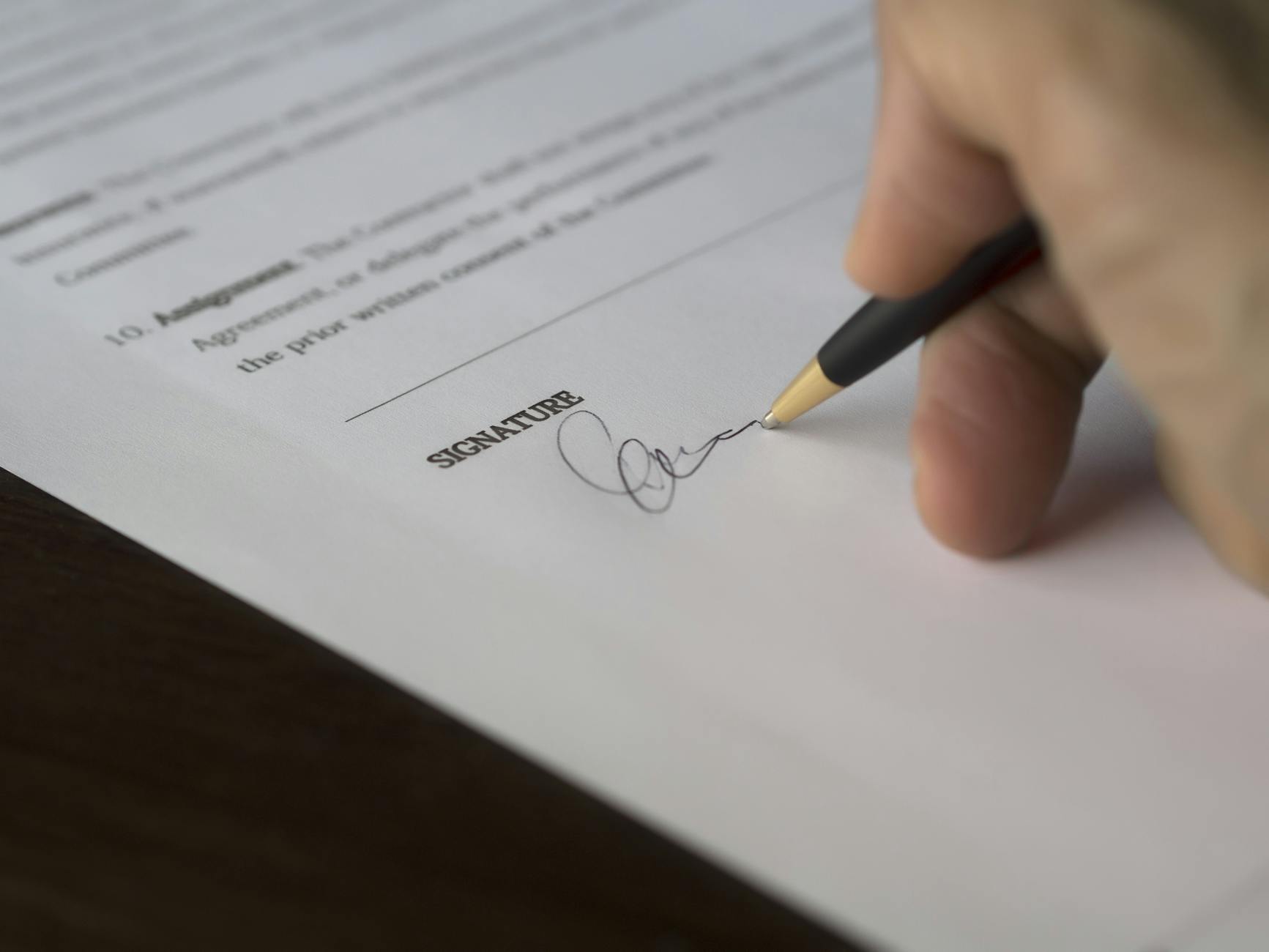
Texas Small Estate Affidavit: Who Qualifies and How to Use It
If your parent died with a modest estate and no will, Texas gives you a faster, cheaper option than full probate: the small estate affidavit. It lets heirs collect bank accounts and other assets without going through the full probate court process. Here's who qualifies, what it covers, and exactly how to use it.
Quick answers
- Texas small estate affidavits are available for estates where total probate assets (excluding homestead and exempt property) are $75,000 or less
- The deceased must have died without a will (intestate) for the standard small estate affidavit
- The affidavit must be approved by a court, signed by all distributees, and includes two disinterested witness signatures
- It works for bank accounts, vehicles, and personal property, but cannot transfer real estate (other than homestead in limited circumstances)
- Processing takes 2-6 weeks and costs far less than full probate, typically $200-$500 in total fees
What the Texas Small Estate Affidavit Actually Does
The small estate affidavit is a sworn court document that identifies who the legal heirs are and authorizes them to collect estate assets without a full probate proceeding. It is not a simple form you fill out on your own. A Texas court must approve it before it has any legal effect.
Once approved, you present the court-certified affidavit to banks, credit unions, brokerages, and other asset holders, and they transfer the funds to the named heirs. Most financial institutions will accept it, though some larger banks may have internal processes that add a few days.
This tool was designed specifically for families who don't have the resources for a full probate proceeding and whose loved one left a straightforward, modest estate.
Eligibility Requirements
The deceased must have died intestate (without a valid will). If there is a will, you need probate or the muniment of title process instead. A small estate affidavit cannot be used to administer a testate (with-will) estate.
Count all assets that would normally pass through probate: bank accounts without beneficiary designations, vehicles, personal property, investment accounts without TOD designations. Do not count the homestead, exempt personal property, or assets that already have named beneficiaries.
If anyone has already filed for probate of the estate, the small estate process is not available. The two tracks cannot run simultaneously.
The estate must have enough to cover all debts. If the deceased had significant outstanding debts that exceed the estate's value, the small estate affidavit is probably not the right tool.
All heirs who will sign must be legal adults. Minor heirs require a guardian or guardian ad litem to sign on their behalf, which adds court oversight and complexity.
What It Can and Cannot Transfer
What It Can Transfer
- Bank and credit union accounts (checking, savings, CDs)
- Vehicles and boats (with DMV coordination)
- Personal property and household items
- Investment accounts without named beneficiaries
- Tax refunds owed to the deceased
- Small business interests in some cases
What It Cannot Transfer
- Real estate other than homestead (needs separate process)
- Real estate with a mortgage in some cases
- Assets already in a living trust
- Life insurance with named beneficiaries (those transfer directly)
- Retirement accounts with designated beneficiaries
- Assets over the $75,000 threshold total
How to File a Texas Small Estate Affidavit
Obtain the correct form
Texas courts provide standardized forms, but the exact format varies by county. Check your county court's website or call the county clerk's office to get their required form. Some counties, including Harris and Dallas, have their forms posted online.
Gather required information
You'll need the full legal name and address of the deceased, date and place of death, names and relationships of all heirs under Texas intestacy law, a list of all estate assets with approximate values, and a list of all known debts. Obtain a certified copy of the death certificate (you'll need multiple copies).
Identify two disinterested witnesses
Texas requires two witnesses who are not heirs and have no financial interest in the estate. These witnesses must swear to their personal knowledge of the family history. Neighbors, coworkers, or long-time family friends typically qualify. Both must sign before a notary.
Have all heirs sign before a notary
Every person who is an heir under Texas intestacy law must sign the affidavit. If an heir refuses to sign, this process does not work. All signatures must be notarized. You can often find notaries at banks, UPS stores, and public libraries.
File with the court and pay the fee
File the completed affidavit with the county probate court (or county court) in the county where the deceased lived. Filing fees run $200-$400 depending on the county. Some counties require the original death certificate; others accept a certified copy.
Attend the court hearing
Most counties require a brief hearing where a judge reviews and approves the affidavit. Hearings are usually short (under 30 minutes) and scheduled within 2-4 weeks of filing. Bring photo ID and a copy of the death certificate.
Receive certified copies and collect assets
After the court approves and signs the affidavit, request multiple certified copies from the clerk (usually $5-10 each). Present a certified copy to each bank, the DMV, or other institution holding assets. Keep the originals safe.
Cost and Timeline Comparison
The Homestead Exception
Texas has a specific provision allowing the small estate affidavit to transfer homestead property in limited circumstances. If the only real property in the estate is the homestead, and the surviving spouse or children of the deceased are the sole heirs, the affidavit can sometimes cover it.
This is narrow. The property must truly be the homestead (the primary residence where the deceased lived), and the heirs must qualify under Texas homestead laws. If there's any mortgage on the property, lenders typically require a more formal transfer process.
Do not rely on this without confirming with the county court first. Several Texas counties have refused small estate affidavits for homestead transfers, even in situations that seem to qualify.
When the Small Estate Affidavit Is the Wrong Tool
If the deceased left a will, do not use the small estate affidavit. Use the muniment of title process (faster) or standard probate instead. Using the wrong procedure can create title problems that are expensive to fix later. If you're unsure whether a will exists, check with the county clerk where the deceased lived, as some wills are filed with the court during a person's lifetime.
What Texas Intestacy Law Says About Who Inherits
Since the small estate affidavit only works when there's no will, Texas intestacy law controls who gets what. The rules are more complex than most people expect.
If the deceased was married, the distribution depends on whether assets were community or separate property. Community property goes to the surviving spouse if there are no children from outside the current marriage. Separate property follows a more detailed formula splitting between spouse and children.
If the deceased was not married, assets pass to children in equal shares. If no children survive, assets pass to parents and siblings under a specific order of priority.
Texas law requires all legal heirs to be identified and sign the affidavit. If any heir is missing, cannot be located, or refuses to participate, the small estate process cannot proceed.
Step 1 of 2
How big is the home?
Step 2 of 2
What kind of help is needed?
Estimated Cost
Compare listed Senior Move Managers →Frequently Asked Questions
Can I use a Texas small estate affidavit if there is a will?
No. The small estate affidavit under Texas Estates Code Section 205 is specifically for intestate (no will) estates. If there is a will, you need to use the probate process. However, Texas offers a faster alternative called muniment of title, which admits the will to probate without appointing an executor and can be completed in a few weeks if there are no outstanding debts other than a homestead mortgage.
How long does a Texas bank have to respond to a small estate affidavit?
Texas law does not set a specific deadline for banks to transfer funds after receiving a properly certified small estate affidavit. In practice, most banks process the transfer within 1-2 weeks. If a bank refuses without valid legal reason, you may need to escalate to the Texas Office of Consumer Credit Commissioner or consult an attorney.
Does the small estate affidavit protect heirs from the deceased's debts?
Heirs who receive assets through a small estate affidavit are responsible for the deceased's valid debts, up to the value of what they received. The affidavit process does not eliminate creditor rights. If a creditor comes forward after the assets have been distributed, heirs can be held personally liable for their proportionate share. Known debts should be paid before distributing assets to heirs.
What if one heir lives out of state or can't be reached?
All heirs must sign the affidavit. Out-of-state heirs can sign before a notary in their own state. Unreachable heirs are a bigger problem: if a legal heir cannot be located or refuses to sign, the small estate affidavit cannot be completed. In that case, you may need to file for formal administration in Texas probate court, where a judge can handle missing heirs through legal notice procedures.
What is a Senior Move Manager? A Senior Move Manager is a trained specialist who helps older adults and their families navigate moves, downsizing, and care transitions. They handle the logistics so you don't have to.
Senior Move Guide's directory covers listed Senior Move Managers for hands-on moving and downsizing help. For legal, care, housing, real estate, or estate advice, contact the appropriately licensed or specialized professional separately.
✓ 556 listed Senior Move Managers · ✓ Coverage in 46 states and DC