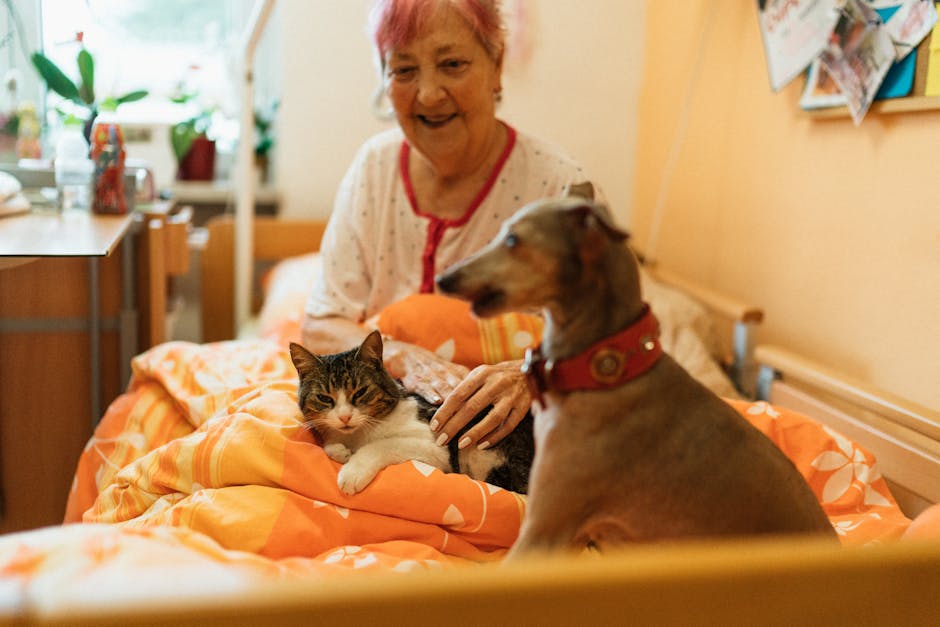
What to Do With Pets When a Parent Moves to Assisted Living
For many older adults, a pet is their primary companion. The thought of giving up a dog or cat can be as distressing as the move itself. Before assuming the pet has to go, understand all your options. Some are more workable than people expect.
Quick answers
- Many assisted living communities allow small pets , call and ask specifically about their policy
- If the facility does not allow pets, family adoption is usually the best outcome
- Pet foster networks exist specifically for seniors transitioning into care
- The pet's wellbeing matters too , assess honestly whether the pet can thrive in the new environment
- Never rehome a pet without your parent's knowledge and consent if they have decision-making capacity
First: Check the Facility Policy
Do not assume pets are not allowed. Assisted living communities vary significantly on pet policies. Some welcome small dogs and cats with a deposit. Some have facility pets that residents can interact with but not own personally. Some prohibit personal pets entirely.
Call the facility directly before the move and ask specifically: what types of pets are permitted, what size or weight limits apply, whether there is a pet deposit, who is responsible for the pet's care if your parent cannot manage it, and what happens to the pet if your parent's health declines and they can no longer care for it.
If the pet is central to your parent's wellbeing, it is worth factoring the pet policy into the facility selection itself. A facility that allows your parent to keep their cat is worth significant consideration.
If the Pet Can Come Along
Bringing a pet into assisted living requires planning. The pet needs to be well-suited to a smaller living environment and consistent care within a facility setting.
Consider honestly whether the pet will thrive. A high-energy dog that needs two hours of exercise a day is not a good fit for a studio apartment in an assisted living community, even if the facility allows it. A calm older cat or a small low-maintenance dog may do well.
Arrange for backup care. Who walks the dog when your parent has a bad day? Who feeds the cat when your parent is in the hospital? Having a plan in place before the move prevents a crisis later.
If the Pet Cannot Come
Family adoption
The best outcome for everyone. A family member takes the pet, your parent can visit or receive photos and updates, and the pet stays in a familiar relational circle. Ask before assuming no one will step up.
Senior pet foster networks
Organizations like the Humane Society's Pets for Life program and local senior pet foster networks place pets from seniors in care situations with vetted foster families, sometimes with the option for your parent to reclaim the pet if circumstances change.
Trusted friend or neighbor
Someone who already knows the pet and has a relationship with your parent. The continuity is valuable for both the pet and your parent.
Rehoming through a breed rescue
For purebred or specific breed dogs, breed rescues often have networks of committed adopters. The pet is more likely to go to someone who genuinely wanted that specific breed.
General shelter or rescue as a last resort
Surrendering a senior pet to a general shelter is the last resort. Older animals have lower adoption rates. If this is the only option, look for a no-kill shelter or rescue that will commit to keeping the pet until a good placement is found.
The Emotional Side
Do not underestimate how hard this is. Research on pet loss in older adults consistently shows significant grief responses, including depression and physical health effects. For someone already managing the stress of a major life transition, losing a pet at the same time compounds the difficulty considerably.
If the pet cannot come, give your parent as much involvement in the rehoming decision as possible. Let them meet the new family if it is a neighbor or family member. Arrange for photos and updates. These are small things that matter a lot.
Time the transition thoughtfully if you can. Ideally, the pet finds its new home before or shortly after the move, not during the most disorienting early weeks when your parent is also adjusting to a new environment.
Pet-Friendly Assisted Living
Step 1 of 2
How big is the home?
Step 2 of 2
What kind of help is needed?
Estimated Cost
Compare listed Senior Move Managers →Frequently Asked Questions
Can I put a pet clause in the assisted living contract?
You can negotiate pet-related terms in the admission agreement. Ask for specifics about what happens to the pet if your parent is hospitalized, and who bears responsibility for the pet's care if your parent cannot manage it.
My parent has dementia and is attached to their cat. Should we try to bring it?
It depends on the facility policy and the cat's temperament. For people with dementia, a familiar pet can provide significant comfort and reduce agitation. If the facility allows it and the cat is calm, it is often worth attempting.
What organizations help rehome pets from seniors?
The Humane Society's Pets for Life program, local senior pet foster programs, breed-specific rescues, and some Area Agencies on Aging maintain lists of local resources. Search 'senior pet rehoming' plus your city or state.
How do I tell my parent their pet cannot come with them?
Be honest and direct. Present it as a practical constraint, not a value judgment. Have the plan for where the pet is going ready before the conversation. Focus on the pet's wellbeing and your parent's ability to stay connected through visits or photos.
Sources
- AARP - The health and emotional benefits of pets for older adults
- Humane Society of the United States - Resources for seniors and their pets including rehoming support
- Aging Life Care Association - Practical tips for managing the assisted living transition
What is a Senior Move Manager? A Senior Move Manager is a trained specialist who helps older adults and their families navigate moves, downsizing, and care transitions. They handle the logistics so you don't have to.
An SMM handles the physical and logistical complexity of a senior move. Packing, floor planning, unpacking, and setup. Your parent arrives to a home that feels like home from day one.
✓ 556 listed Senior Move Managers · ✓ Coverage in 46 states and DC