How to Get Your Parent to Stop Driving When Refused
Telling a parent to stop driving is one of the hardest conversations in eldercare, partly because they're rarely going to agree with you. Driving represents independence, and your parent will almost certainly push back. But there are approaches that work , and people who can help you make the case without destroying your relationship in the process.
Quick answers
- Don't lead with 'I'm taking your keys' , start with concern and specific incidents, not conclusions
- Get the doctor involved: a physician's recommendation carries far more weight than yours
- Request a formal driving evaluation from an occupational therapist or rehab specialist
- Present transportation alternatives before asking them to give anything up
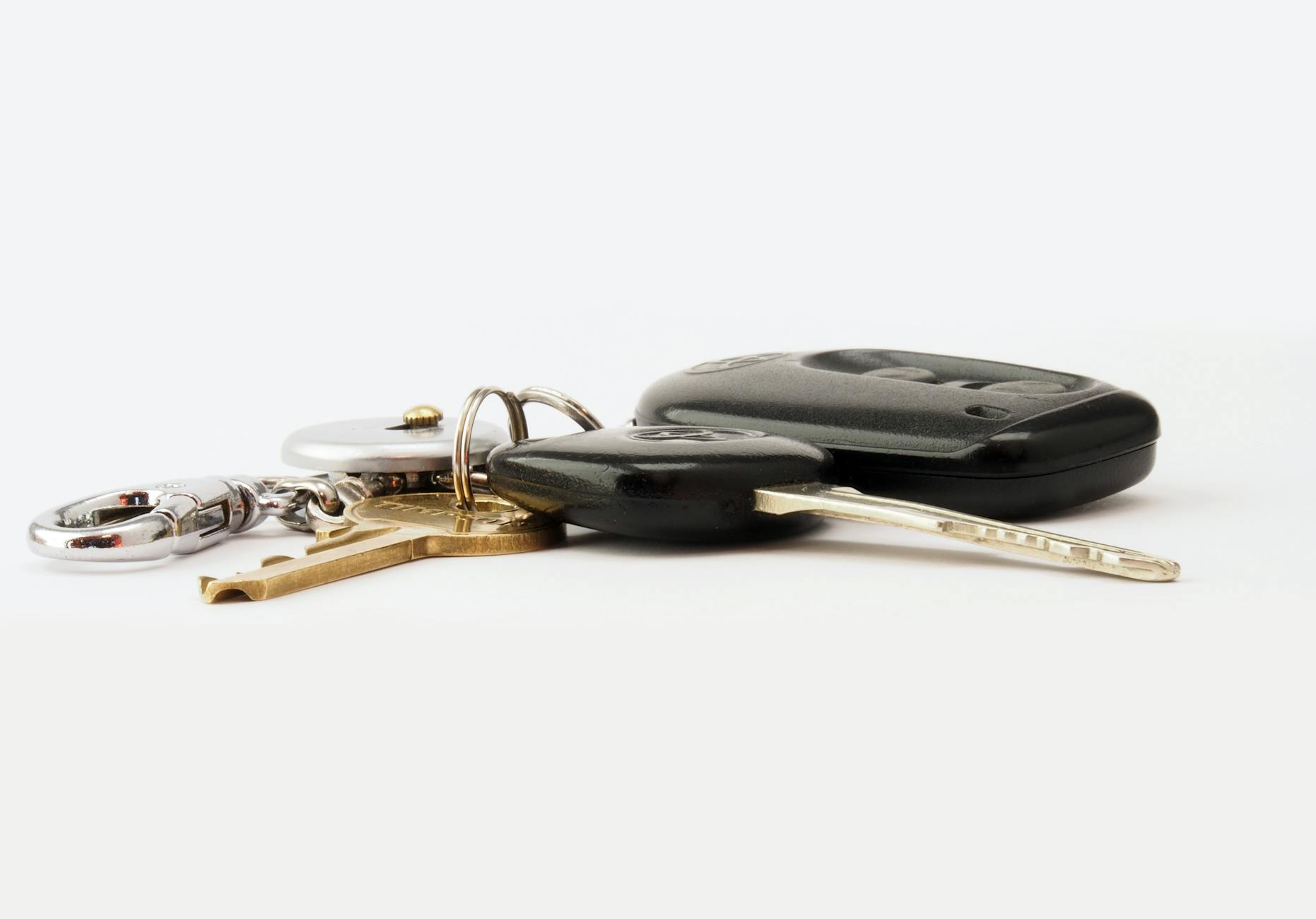
- If they refuse everything and safety is at stake, contact the DMV directly , most states allow family members to request a re-evaluation
Why This Conversation Almost Always Fails the First Time
Your parent isn't being stubborn for no reason. Losing the ability to drive is a concrete, irreversible loss of freedom. It means depending on others for groceries, doctor appointments, and seeing friends. That's a genuinely hard thing to accept, and most people resist it until they have no choice.
The approach that typically backfires: leading with your conclusion. 'You need to stop driving' sounds like a verdict, not a conversation. It triggers defensiveness immediately, and once a parent is defensive, the discussion is basically over.
What works better is leading with specific observations and making it about safety, not competence. There's a big difference between 'I'm worried about you' and 'You're not a good driver anymore.'
Warning Signs That Make Your Case Concrete
Minor fender-benders that your parent doesn't mention, or dismisses as 'nothing,' are often the first visible sign. Ask to see the car.
If you've been in the car with them and seen this, document it. One incident is a data point; two is a pattern.
This is a significant cognitive warning sign, especially if it's happened more than once or your parent seemed confused rather than just distracted.
Driving 20 mph under the speed limit is actually dangerous. It's also a sign your parent knows, on some level, that something isn't right.
If your parent avoids highways or refuses to drive at night, that's self-awareness , but it also signals the beginning of meaningful decline.
If this has happened even once, the conversation needs to happen today. This is the warning sign that precedes many serious accidents.
Who Should Have This Conversation (It's Probably Not You)
Start with the doctor
A physician's recommendation to stop driving lands very differently than an adult child's. Before your family conversation, call the doctor's office, explain your concerns, and ask them to address driving at the next appointment. Many doctors will do this directly. You can also send a written note ahead of the visit , doctors are used to these requests from family members.
Request a professional driving evaluation
Certified driving rehabilitation specialists (CDRS) can conduct formal behind-the-wheel evaluations. These are occupational therapists with specific training in older adult driving ability. The report they produce is hard to argue with , it's objective, it's professional, and it removes you from the role of judge. Find a CDRS through the American Occupational Therapy Association at aota.org.
Bring a trusted third party to the family conversation
If you have a sibling who has a better relationship with your parent, they may be a better messenger. A trusted family friend, a pastor, or even the parent's own doctor can deliver the message without the emotional baggage of a child telling a parent what to do.
Contact the DMV if needed
Every state allows concerned individuals (including family members) to request a driver re-evaluation through the DMV. This is typically done anonymously. The DMV will contact your parent and require them to pass a new driving test. It's a last resort, but it works , and it takes the decision out of your hands.
The Alternatives You Need to Offer First
If you ask your parent to give up driving without presenting alternatives, you're asking them to give up their independence with nothing in return. That's a losing proposition.
Before the conversation, research what's actually available in their area. Many communities have senior transportation programs, often free or low-cost, through local Area Agencies on Aging. Rideshare apps like Uber and Lyft are options, and GoGoGrandparent (1-855-464-6872) is a service that lets seniors call in to request rides without needing a smartphone.
If they live somewhere with family nearby, be specific: 'I will take you to your doctor every Tuesday' is a real offer. 'We'll figure something out' is not.
What the Data Says About Senior Driving
Don't Negotiate With a Parent Who Has Dementia
If your parent has a dementia diagnosis, the normal conversation approach doesn't apply. A person with cognitive decline cannot accurately assess their own driving ability , and they won't be persuaded by logic or concern. In this case, skip the conversation and go directly to the doctor for a medical recommendation to stop driving, then notify the DMV. You may also need to physically disable the vehicle or remove it from the property. This isn't punishing your parent , it's protecting them and everyone else on the road.
When Your Parent Refuses Everything
Some parents will refuse a doctor's recommendation, refuse a formal evaluation, and refuse transportation alternatives. At that point, you have limited options , but you do have options.
Contact the DMV in their state and request a formal re-evaluation. Most states allow this anonymously. If your parent fails the driving test, the license is revoked by the state, not by you.
You can also consult with an elder law attorney about guardianship or conservatorship if your parent's cognitive state means they cannot make safe decisions for themselves. This is a significant legal step, but in cases where a parent is a genuine danger to themselves and others, it's sometimes necessary.
Lastly: if your parent drives and has an accident that injures someone, they can be held liable. And if you knew about the safety risk and said nothing, you may face questions too. Document your conversations. Put your concerns in writing.
Step 1 of 2
How big is the home?
Step 2 of 2
What kind of help is needed?
Estimated Cost
Compare listed Senior Move Managers →Frequently Asked Questions
Can a doctor legally stop my parent from driving?
Doctors can't physically revoke a license, but they can make a formal recommendation to stop driving and, in many states, report a patient to the DMV if they believe the patient poses a danger. Some states have mandatory reporting laws for physicians treating patients with certain diagnoses, including advanced dementia. Ask the doctor directly what they're able to do.
What if my parent drives anyway after we take the keys?
If you've removed the keys and your parent has another set, or if another family member gives them access to the vehicle, the situation escalates. Options include disabling the car (disconnect the battery, use a steering wheel lock, or have a mechanic temporarily disable the ignition), selling the vehicle, or , in cases involving dementia , pursuing guardianship. Document everything.
How do I handle my parent's anger after this conversation?
Expect anger. It's a grief response. Your parent is losing something real. Give it time before trying to revisit the conversation, keep visiting and maintaining the relationship, and don't frame this as something you did to them. The goal is to get them past anger and into acceptance , which often takes weeks, not days.
My siblings think I'm overreacting. What do I do?
Get documentation. A professional driving evaluation produces a written report that's much harder to dismiss than your personal observations. If a sibling has concerns about your concerns, invite them to ride along with your parent before forming an opinion. And if a sibling actively enables unsafe driving after the issue has been raised, that's a separate family conversation that may need a mediator.
Sources
- National Institute on Aging - Alzheimer's and dementia care information
- Alzheimer's Association - Dementia caregiving support and resources
- NAELA - Finding an elder law attorney
What is a Senior Move Manager? A Senior Move Manager is a trained specialist who helps older adults and their families navigate moves, downsizing, and care transitions. They handle the logistics so you don't have to.
An SMM can step in at any point in this process whether you need help with the physical move, researching care options, or coordinating the dozens of details that come with a senior transition. Find one near you in our directory.
✓ 556 listed Senior Move Managers · ✓ Coverage in 46 states and DC