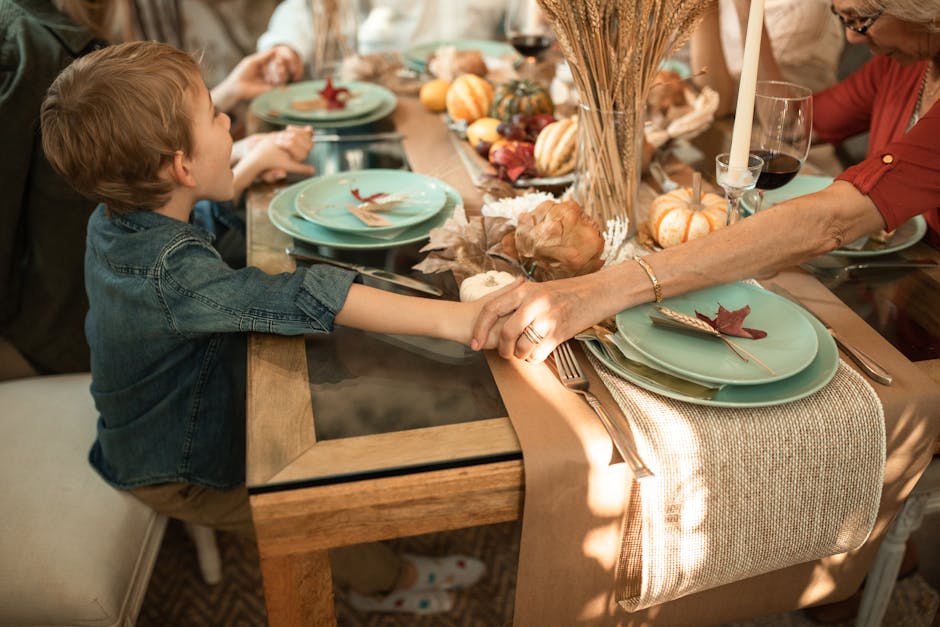
Holidays with an Elderly Parent: How to Handle the Tensions
The holiday table has a way of surfacing everything the family avoids the rest of the year. Add an aging parent , with changed abilities, new care needs, or a recent move , and the familiar tensions get sharper. Here is how to handle the most common ones.
Quick answers
- Most holiday tensions with aging parents are about unspoken feelings, not the surface issue
- Set expectations before the day , with your parent, with your siblings, with yourself
- Modify traditions to match where your parent actually is rather than where they used to be
- The sibling who does the most caregiving all year often carries the most stress at holidays , acknowledge that
- It is okay for the holiday to look different. It is not okay to pretend nothing has changed.
The Common Tensions
Holiday tensions with aging parents cluster around a few recurring themes.
The parent who used to run the holiday but can no longer do so. Your parent hosted Thanksgiving for forty years. Now they cannot stand long enough to cook, or they are in assisted living, or the cognitive changes mean the chaos of a family gathering overwhelms them. Someone else has taken over, and the shift has not been named or grieved.
Siblings who only show up at holidays. The sibling who lives far away and provides no day-to-day support arrives at Thanksgiving with opinions about the parent's care and a holiday-specific closeness that irritates the sibling who has been managing everything all year.
Old family dynamics resurfacing. The holiday table is where old roles reassert themselves. Adult children revert to childhood dynamics. Old grievances resurface in the presence of the parent who was their original context.
The parent's changed behavior or capacity. A parent with dementia who becomes confused or agitated at a large gathering. A parent who is depressed and cannot engage. A parent who is angry about their situation and takes it out on the people at the table.
Before the Day: Set the Stage
Have the sibling conversation beforehand
Not at the table. A phone call or video call before the holiday where you explicitly name the dynamic: who is doing what, what the plan is for your parent's care during the gathering, what is off limits for the day. This is not a full care planning conversation , it is a holiday coordination conversation.
Talk to your parent about what to expect
What will the gathering look like? Who will be there? Where will it be? For a parent with any cognitive impairment, advance preparation reduces disorientation. For any parent, being included in the plan rather than receiving the day as something happening to them matters.
Adjust the format to match reality
If your parent cannot host, the gathering moves. If a large gathering overwhelms them, consider a smaller gathering or a separate parent-focused visit. If the tradition was built around their capability and that capability is gone, the tradition needs to change , not be performed and then mourned.
Name the transition explicitly, at least once
If this is the first holiday after a parent moved to assisted living, or the first after a spouse died, or the first with a dementia diagnosis , name it. 'This one is going to feel different and that's okay.' A brief acknowledgment prevents the pretending that makes everything more exhausting.
On the Day: Practical Buffers
Keep the gathering to a manageable length if your parent tires easily or becomes confused in large groups. Have a quiet room available for them to withdraw to if they are overwhelmed. Assign one person to pay attention to your parent's state rather than leaving that to no one.
Do not require your parent to perform engagement they cannot sustain. If they want to sit quietly rather than participate in conversation, let them. The goal is a good day for everyone, not a performance of family normalcy.
For a parent with dementia, consider whether the gathering environment is appropriate. Familiar faces, manageable noise levels, and a consistent caregiver present make the difference between a good holiday and a distressing one.
The Sibling Dynamic
The sibling who has been primary caregiver all year often arrives at family holidays depleted and resentful. The siblings who arrive from out of town, fresh, with holiday energy, do not see the year's accumulated weight.
If you are the primary caregiver: give yourself permission to say 'I'm exhausted and I need this holiday to be easier than usual.' If you are the visiting sibling: arrive asking how you can help with the parent, not with opinions about how caregiving should be done.
The holidays are not the moment for the full care conversation. But they are a good moment for the primary caregiver to be seen and acknowledged for what they have been carrying.
Step 1 of 2
How big is the home?
Step 2 of 2
What kind of help is needed?
Estimated Cost
Compare listed Senior Move Managers →Frequently Asked Questions
My parent insists on hosting even though they can no longer manage it. What do I do?
Offer to co-host: you handle the cooking and logistics, they host in the role of the person whose home it is. This preserves their identity and role while removing the physical burden. If that is not possible, frame moving the gathering as being about the family's desire to take care of them, not about what they cannot do.
A sibling always starts a fight about parent care at holidays. How do I handle it?
Have the conversation before the holiday, not during it. If the sibling raises it at the table, you are allowed to say 'let's save this for a call this week' and redirect. The holiday table is a terrible forum for resolving care disputes.
What do I do if my parent gets confused or upset at the gathering?
Have a plan in advance: a designated quiet space, a designated person responsible for your parent's state, and permission to end or modify the gathering if needed. Confusion and agitation in dementia can escalate quickly in overstimulating environments.
Is it okay to skip a holiday visit if the relationship is too difficult?
You are allowed to protect your own mental health. If a holiday gathering is genuinely harmful to you, a phone or video call, a separate quieter visit at another time, or a shorter appearance are all reasonable alternatives to full participation in something damaging.
Sources
- Family Caregiver Alliance - Managing holiday visits and family dynamics with an aging parent
- AARP - Tips for navigating the holidays with an aging parent
- Alzheimer's Association - Holiday planning and gathering guidance for families with a dementia parent
What is a Senior Move Manager? A Senior Move Manager is a trained specialist who helps older adults and their families navigate moves, downsizing, and care transitions. They handle the logistics so you don't have to.
An SMM can help coordinate a parent's transition so that by the time the holidays arrive, the family is in a stable caregiving situation rather than in the middle of an unresolved one.
✓ 556 listed Senior Move Managers · ✓ Coverage in 46 states and DC